

1. When should we finalise our guest list, and what details should we include?
We recommend finalising your guest list one month before the wedding, as the venue needs time to purchase ingredients and prepare the food.
Remember to include:
- Final guest count for the standard and vegetarian menus.
- Food allergies, such as seafood and nuts.
- Other special dietary requirements.
Once the final number is confirmed, you generally cannot reduce it, but a small increase may be possible up to three days before the wedding, subject to the chef’s approval.
Tip: Always confirm the venue’s final headcount policy in advance.
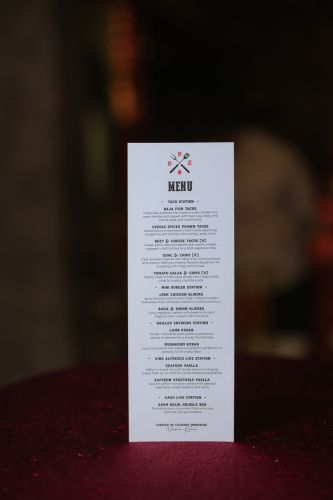
2. When should we arrange food tasting? Can we do it before confirming the venue?
We recommend food tasting one and half or two months before the wedding, when you have a clearer idea of your guest count and minimum spending requirements.
- Hotels: Packages often include complimentary food tasting for one table after booking confirmation.
- Chinese restaurants: Some offer a 50% discount on food tasting, subject to their terms.
- Before booking: Food tasting is possible but is generally chargeable.
If your family has scheduling constraints, you may arrange it earlier after paying the venue deposit.
Tip: Check what is included in your package before booking a tasting.

3. Why do we recommend vendors we have worked with before?
We recommend familiar vendors because we understand their service quality, working style, and professionalism. This helps us communicate effectively and coordinate the wedding more smoothly.
For new vendors, we will assess their reputation, portfolio, and client reviews to help ensure they are reliable.
Tip: Choose vendors based on their quality, experience, and ability to work well with your wedding team.
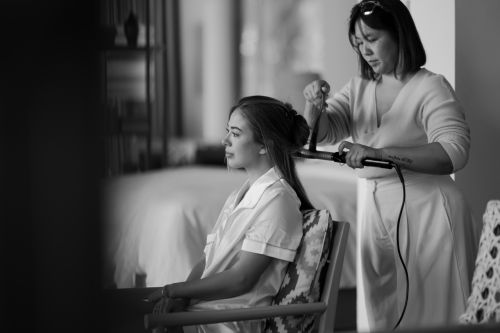
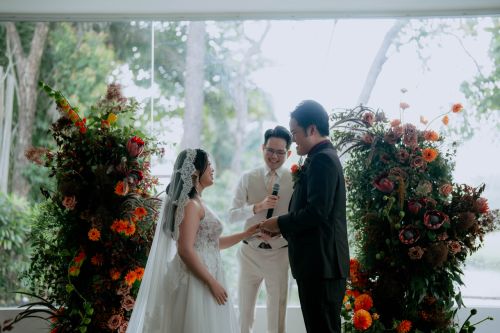
4. Why do emcee prices vary so much?
Wedding emcee fees can range from approximately RM1,500 to RM12,000 or more, depending on their experience, reputation, charisma, and hosting style.
Some are funny and energetic, while others are elegant, formal, or warm and welcoming.
Tip: Watch their previous wedding videos or arrange a short chat before booking to ensure their personality matches your wedding atmosphere.
5. Why do we need an external sound and lighting system if the venue already provides basic equipment?
Most wedding venues provide basic speakers and stage lighting, which are usually sufficient for simple requirements such as playing music from Spotify or MP3 files, showing slideshows and videos, making emcee announcements, and delivering speeches.
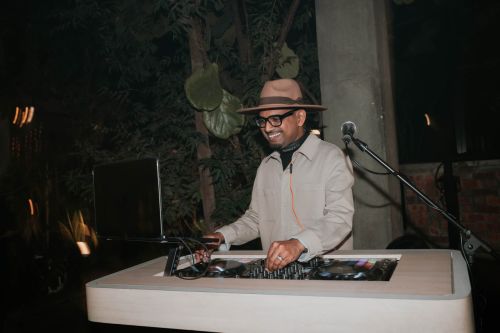
However, if you are engaging live musicians, a band, or a DJ, you may need an external sound system, depending on the venue’s existing equipment and the technical requirements of your performance.
For example, a live band may require additional microphones, monitor speakers, mixing consoles, and instrument connections. A DJ performing at your after-party may also need specialised equipment to create the right sound experience.
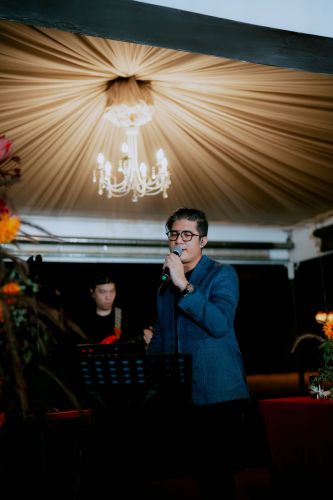
Before engaging an external supplier, check with your venue to understand what equipment is already included and what additional items are required.
For lighting, the venue’s basic stage lights are generally sufficient for speeches, cake cutting, and champagne pouring. However, if you want to create a more immersive atmosphere, additional lighting may be necessary.
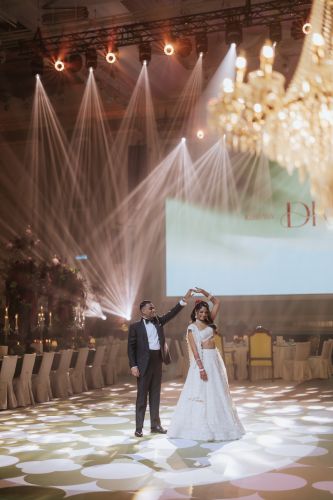
Some popular options include:
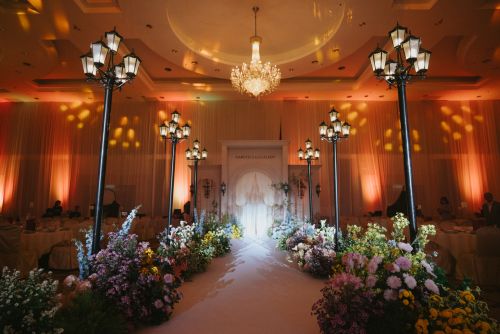
- Ambient or wash lighting: Adds colour and creates a beautiful atmosphere throughout the ballroom.
- Moving-head lights and beam effects: Enhance the stage design and complement your wedding décor.
- Effect lighting and lasers: Create an energetic party atmosphere for your after-party, where suitable.
These additional lighting effects are usually provided by external suppliers and will incur extra costs.
Tip: Finalise your entertainment and wedding concept first, then consult your wedding planner and sound and lighting supplier. They can recommend the equipment you actually need, explain the available lighting effects, and help you create the right atmosphere without overspending.
6. Why are good-quality sound and lighting systems important?
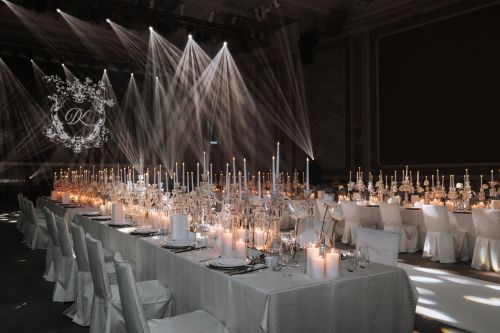
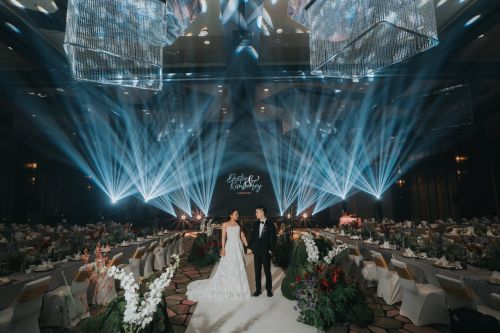
Sound and lighting enhance the overall wedding experience, from clear speeches and live performances to the atmosphere of your ballroom.
Your technical requirements depend on your entertainment choices:
- Live bands or orchestras: Require suitable sound equipment for their instruments and performers.
- DJs and after-parties: May need additional speakers and effect lighting.

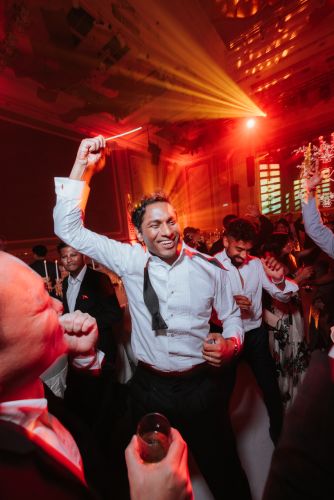

- Ambient lighting and moving-head lights: Create a more immersive atmosphere and complement your stage décor.
Good-quality sound equipment also helps deliver clear, balanced audio without excessively loud volume.
Tip: Finalise your entertainment and wedding concept first, then ask your planner and technical supplier to recommend suitable equipment within your budget
7. Are 10 hours of photography and videography sufficient?
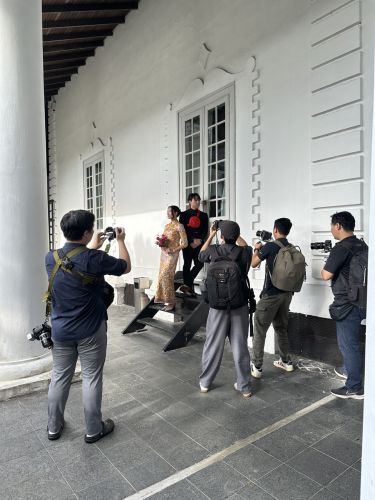
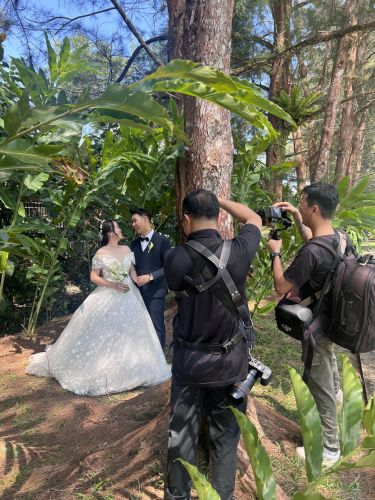
Ten hours may not be enough for a full wedding day, especially when you have preparations, portraits, the ceremony, dinner reception, and an after-party.
We recommend budgeting for an additional one to two hours of overtime as a precaution.
Overtime charges can usually be settled after the event, depending on your vendor’s contract and actual hours used.
Tip: Share your full wedding itinerary with your photographer and videographer and confirm their overtime rates before booking.
8. For a destination wedding, should we arrange accommodation and transport for our guests?
It depends on your budget. Providing accommodation and transport is a thoughtful gesture, but it is not always necessary to cover every guest’s expenses.
If your budget is limited, consider:
- Negotiating group hotel rates.
- Providing accommodation options at different price points.
- Arranging shuttle buses where necessary.
- Informing guests of expected costs and booking deadlines early.
Tip: Clear communication gives guests enough time to plan and decide whether they can attend.
9. Why should we provide crew meals for our wedding vendors?
Wedding vendors often work from early morning until late at night. Providing lunch and dinner helps them stay energised and focused throughout the event.
We usually recommend arranging dinner through the venue’s catering team so vendors can enjoy warm meals without leaving the venue during important programme timings.
Tip: Confirm the number of crew meals required, dietary needs, and pricing with your vendors and venue in advance.

10. Is one coordinator enough to manage the entire wedding?
For a wedding with multiple vendors and activities, one coordinator may struggle to manage everything simultaneously.
Our wedding planning team typically assigns at least four coordinators, each with a specific role:
- Lead coordinator: Oversees the overall wedding flow and liaises with the venue.
- Technical coordinator: Manages sound checks, music, videos, slideshows, lighting and technical cues.
- Stage coordinator: Coordinates speeches, cake cutting, performances, and event activities.
- Bride and groom assistant: Manages the couple’s preparation schedule, gown changes, personal belongings, assist for family request and attend ad hoc requests
A successful wedding also requires close teamwork with the emcee, makeup artist, photographer, videographer, and other vendors.
Tip: Ask your wedding planner how many coordinators will be present and what responsibilities each person will handle.
11. What happens if the couple falls sick just before the wedding?
Unexpected situations can happen, even with careful planning. Your health should always come first.
If you or your partner become seriously unwell:
- Seek medical advice and prioritise your health.
- Inform your wedding planner and vendors as soon as possible.
- Review your contracts for postponement, cancellation, and rescheduling policies.
- Discuss possible arrangements with the venue and vendors.
Please note that last-minute postponements may involve additional charges, especially if food ingredients have already been purchased or other expenses incurred.
Tip: Rest well during the final weeks before your wedding, and communicate early if an unexpected situation arises. Your health and well-being are more important than the event itself.
Let Us Walk This Journey With You
Wedding planning may seem overwhelming, but you don’t have to do it alone! When you engage us as your wedding planner, we will guide you through every step, from the initial planning and vendor selections to the final preparations and actual wedding day.
Our job is to take care of the details, coordinate the team, and ensure everything runs smoothly so you can relax and enjoy every precious moment.
Trust us to be by your side from beginning to end, so you can focus on what truly matters — celebrating your love!
